


Pool guide · Queensland safety

Queensland pool barriers, CPR signs and safety certificates

Pool maintenance and pool-safety certification are different jobs.

Your pool, your setting

Separate everyday barrier care, pool maintenance and formal certification responsibilities.

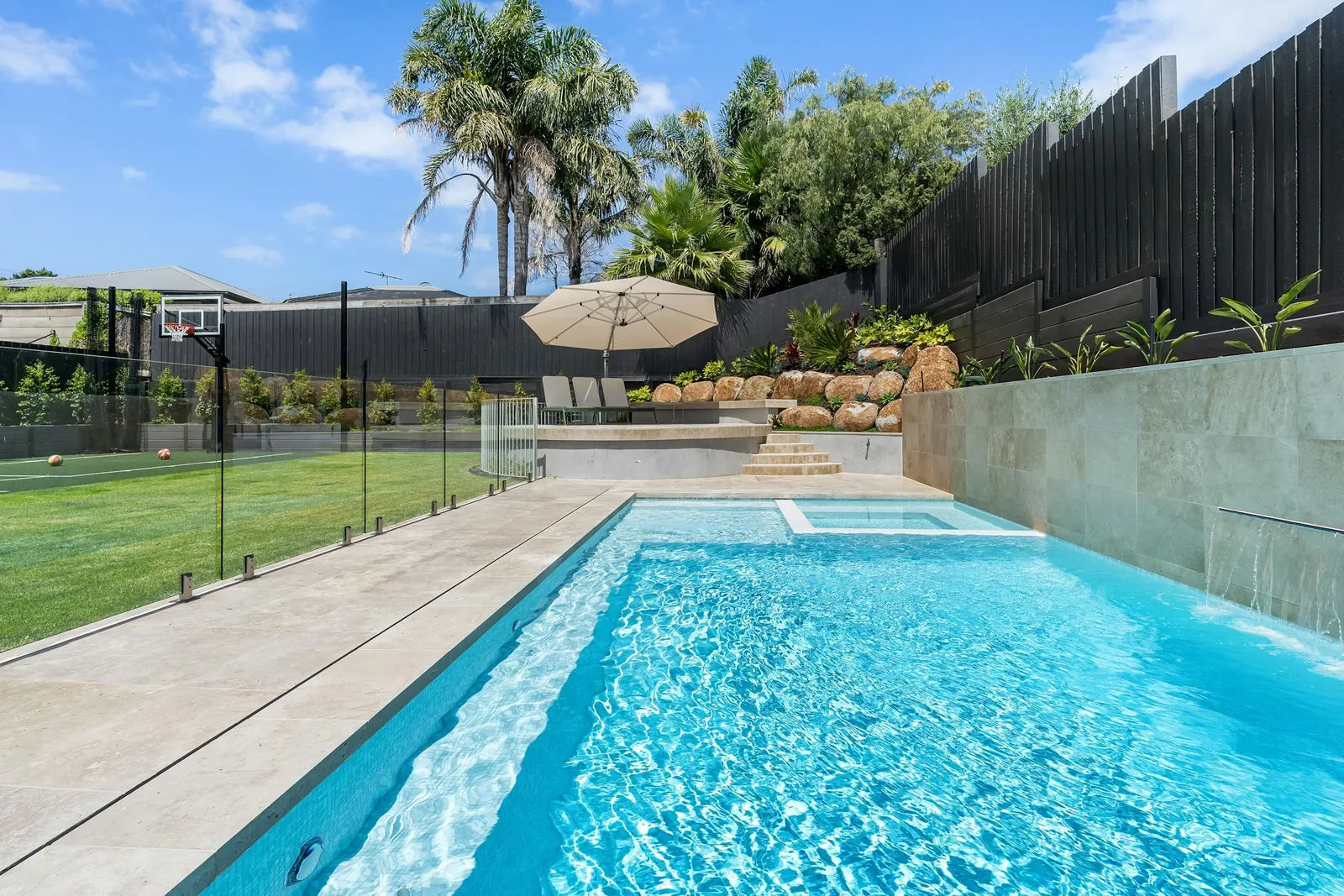
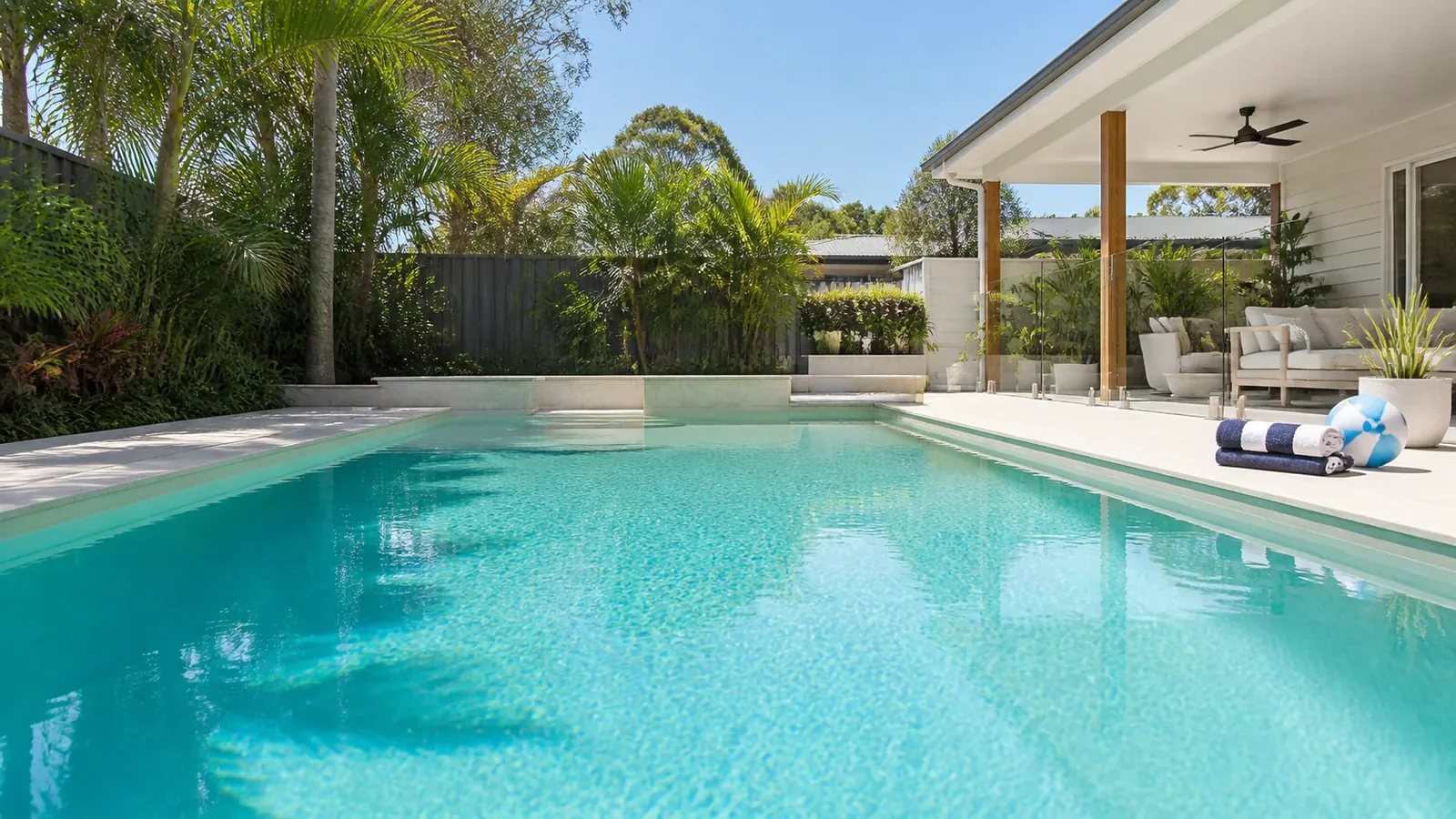
A technician may notice a gate that is not latching, a climbable item near the fence or a damaged CPR sign. That observation can be helpful, but it is not a formal compliance inspection. In Queensland, only a QBCC-licensed pool safety inspector can inspect for and issue a pool safety certificate.

For an owner, tenant, property manager or accommodation operator, the practical task is to keep the barrier working every day and know when a formal certificate is required.

The situation

Four responsibilities that are often confused

Take this with you

A practical barrier check for owners and occupants

1
Use the current QBCC and Queensland Government guidance, and arrange a licensed inspection when required. Between formal inspections, regularly look for changes—especially after moving furniture, landscaping, building work, storms or maintenance.
2
Gate and latch
3
Does the gate self-close from different open positions?
4
Does it self-latch without being pushed or pulled into place?
5
Is it being propped open for convenience?
6
Has soil movement, rust, wear or a loose hinge changed the alignment?
7
Climbable objects
8
Have pot plants, chairs, toys, bins, ladders, barbecues or stored materials moved near the barrier?
9
Have trees, shrubs or new landscaping created footholds or access?
10
Has building or renovation work changed the area around the fence?
11
Barrier condition
12
Is any panel, post or connection loose, damaged or corroded?
13
Are gaps, doors, windows or balcony access points different from the last inspection?
14
Has a temporary repair changed how the barrier works?
15
CPR sign
16
Is the sign present, visible and readable?
17
Is it attached near the pool where a person can easily see it?
18
Is it weather damaged, faded or out of date?
19
Do not use this checklist to declare the pool compliant. Pool barriers have detailed dimensional and non-climbable-zone requirements that should be assessed using the current standard and a licensed inspector.

Useful pool care

What Queensland says about CPR signs

QBCC says a compliant CPR sign must:

  • Show how to perform CPR
  • Be attached to the pool safety fence or displayed near the pool
  • Be easily visible to a person near the pool
  • Measure at least 300 mm by 300 mm
  • Be durable and weatherproof
  • Include a prominent emergency-action statement
  • State that CPR begins with 30 chest compressions followed by two breaths

QBCC also suggests thinking about where a person might retrieve someone from the pool and perform CPR, such as near the shallow end or steps.

A sign is a prompt, not training. Household members, staff and responsible people should consider current first-aid and CPR training appropriate to their role.

Useful pool care

When is a pool safety certificate needed?

QBCC says a pool safety certificate is needed when buying, selling or leasing a property with a pool. Certificates are valid for:

  • One year for shared pools
  • Two years for non-shared pools

Owners of shared pools must display the current certificate near the main entrance or at a gate or door accessing the pool. Owners of non-shared pools do not have to display the certificate, although they should retain it and understand when it is required.

Check the QBCC pool register rather than relying on an old paper copy or memory.

Useful pool care

Renting a Queensland home with a pool

The Residential Tenancies Authority says owners/managers and tenants should work together to keep rental pools safe, compliant and maintained.

The owner is responsible for the property meeting health and safety laws. Tenants must keep access gates and doors securely closed, avoid interfering with the barrier, report issues promptly and follow the agreed special terms. Pool upkeep and chemical responsibilities should be discussed and recorded in the tenancy agreement.

The pool safety certificate and the starting condition of the pool should also be addressed when the tenancy begins. Use the current RTA guidance and obtain advice for the actual agreement.

Useful pool care

Shared pools, hotels and short-stay accommodation

Shared and guest-facing pools can have additional responsibilities.

  • QBCC says short-stay accommodation providers need a valid pool safety certificate when renting a property with a pool.
  • Queensland Health’s public aquatic facility guidance can apply to pools commonly used by the public, including some holiday accommodation, hotels, apartment complexes and body-corporate developments.
  • Noosa Council’s short-stay application information requires written evidence of a current pool safety certification by a licensed QBCC pool safety inspector.

These requirements belong to the owner or operator and the appropriate licensed people. A routine pool-maintenance visit does not replace them.

Why Nik

Where a pool technician's role begins and ends

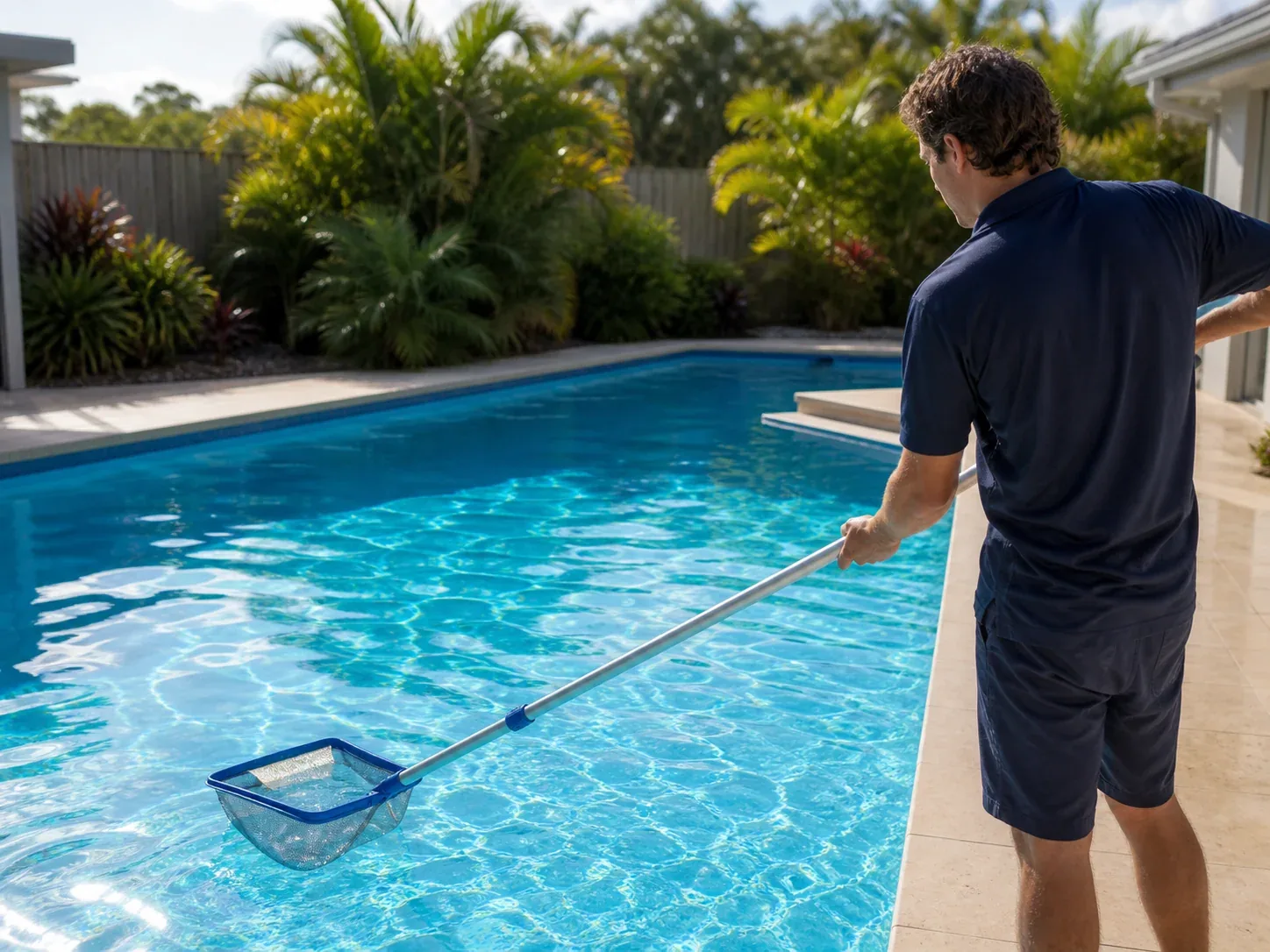
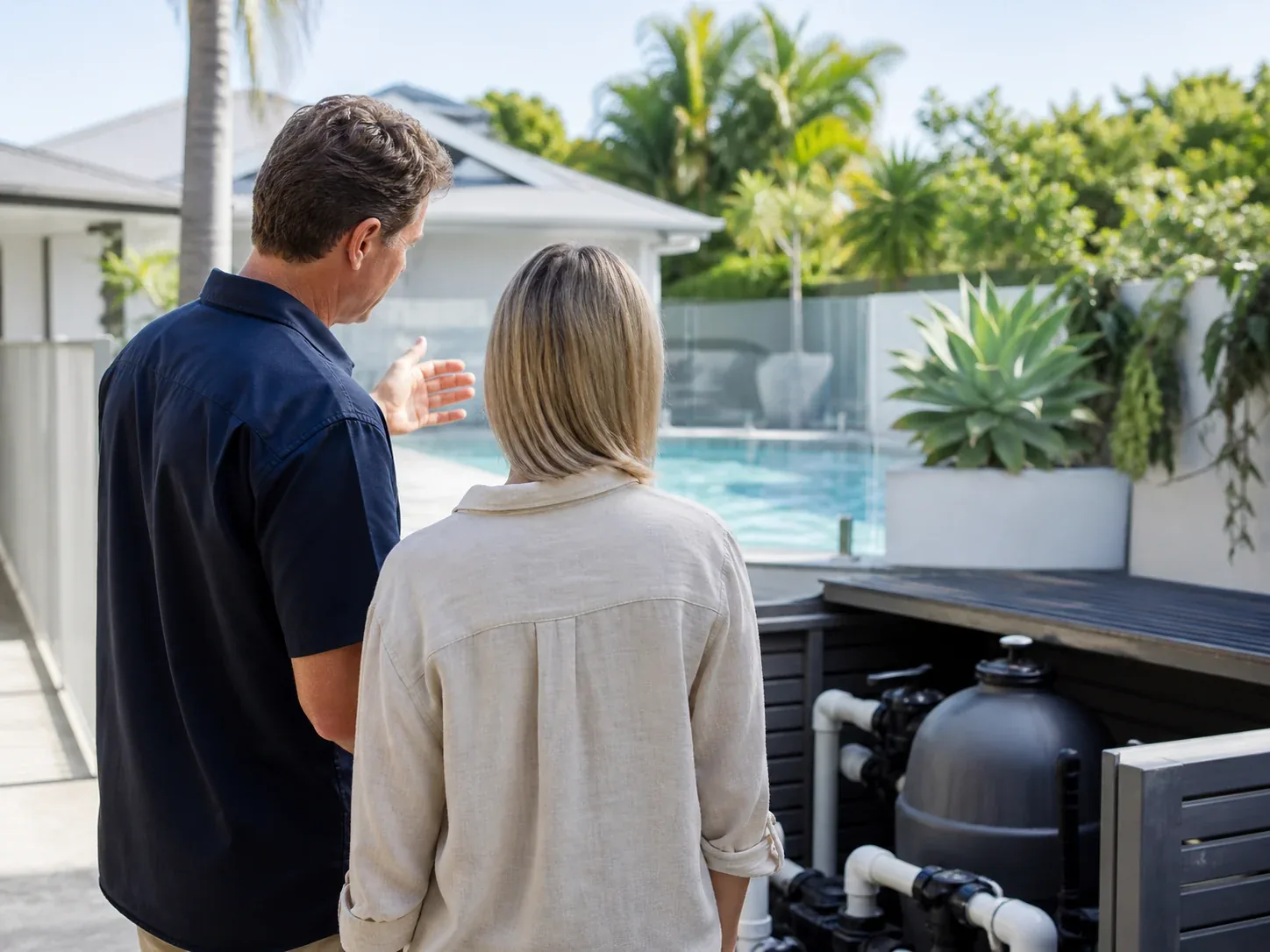
A pool technician may be well placed to notice a visible change because they regularly work around the pool. A useful observation could be:

  • “The gate did not self-latch during today’s visit.”
  • “A chair has been stored beside the barrier.”
  • “The CPR sign is faded and difficult to read.”

That is different from saying:

  • “The barrier complies.”
  • “The property is safe to lease.”
  • “This is the only defect.”
  • “A certificate will be issued.”

Endless Summer should publish only its approved observation and referral process. Any claim that Nik can arrange an inspection, supply a sign or repair a barrier must wait until the licence, service boundary and responsible party are confirmed.

Take this with you

Questions to ask a pool-maintenance provider about safety boundaries

1
Will you note visible gate, sign or plant-room concerns in the visit record?
2
How will you distinguish an observation from a formal inspection?
3
Do you hold a pool-safety-inspector licence? If not, who issues certificates?
4
Which fence, gate, electrical or plumbing work is outside your scope?
5
How do you secure gates, keys and chemicals during and after a visit?
6
Who is notified if you believe the pool should not be used?
7
Can you provide the relevant licence details for any regulated work you propose?

Straight answers

Pool-safety FAQs

Open each answer before you decide what the pool needs.

Queensland’s pool-safety laws apply to regulated pools and spas, including many portable or inflatable pools capable of holding more than 300 mm of water. Use the current Queensland and council guidance for the particular installation.
Sunshine Coast Council states that regulated spas require a compliant safety fence, including spas fitted with a lockable lid or cover, subject to the limited indoor-bathroom exemption described on its current page. Confirm the rules for the installation.

The barrier needs to work whenever the pool exists, not only on inspection day. Check it regularly and after landscaping, furniture moves, storms, building work or any change to the alignment. Arrange a licensed inspection when required or if you are unsure.

Owners/managers must ensure the property complies with health and safety laws. Tenants must keep gates and doors secure, avoid interfering with the barrier and report problems promptly. The RTA guidance and tenancy agreement should be used for the specific responsibility question.

QBCC says short-stay accommodation providers require a valid pool safety certificate when renting a property with a pool. Noosa also requires evidence of current certification in its short-stay process. Confirm the current rules for the property and council area.

Restrict access to the pool area, do not prop or improvise the gate in a way that creates another hazard, and contact an appropriately qualified person. If the property is rented or managed, report it promptly through the approved channel.

The next useful step

Maintenance can notice a change. Certification requires the right inspector.

If you have a water or equipment issue, tell Nik what is happening. If the question is barrier compliance or a certificate, use the QBCC register to engage a licensed pool safety inspector. Ask Nik about the pool | Find a licensed pool safety inspector

Useful pool care

Sources and review notes

  • Queensland Building and Construction Commission: Pool safety standard; CPR signs; Inspect and certify a pool.
  • Sunshine Coast Council: Swimming pools and spas.
  • Noosa Shire Council: Swimming Pool Regulations; Short Stay Letting.
  • Residential Tenancies Authority: Pool laws and maintenance.
  • Queensland Health: Pools, spas and other recreational water bodies; *Water Quality Guidelines for Public Aquatic Facilities*.
  • Nik interview, 2026: safety-conscious approach and visible gate, sign and plant-room observations. Do not convert interview comments into compliance claims.