For homeowners & renters

A pool you understand is easier to enjoy.

Owning a pool should not mean guessing which bottle to add, wondering why the pump sounds different or hoping the green patch will disappear on its own.

Your pool, your setting

Understand what the pool needs, what good service includes and what can safely wait.

Pools on the Sunshine Coast and through the Noosa region live with heat, heavy summer rain, wind, leaf litter, fine coastal debris and changing swimmer loads. Those conditions do not create the same problem in every backyard. The useful question is not, “What do people normally add?” It is, “What is happening in this pool, with this equipment, in this setting?”

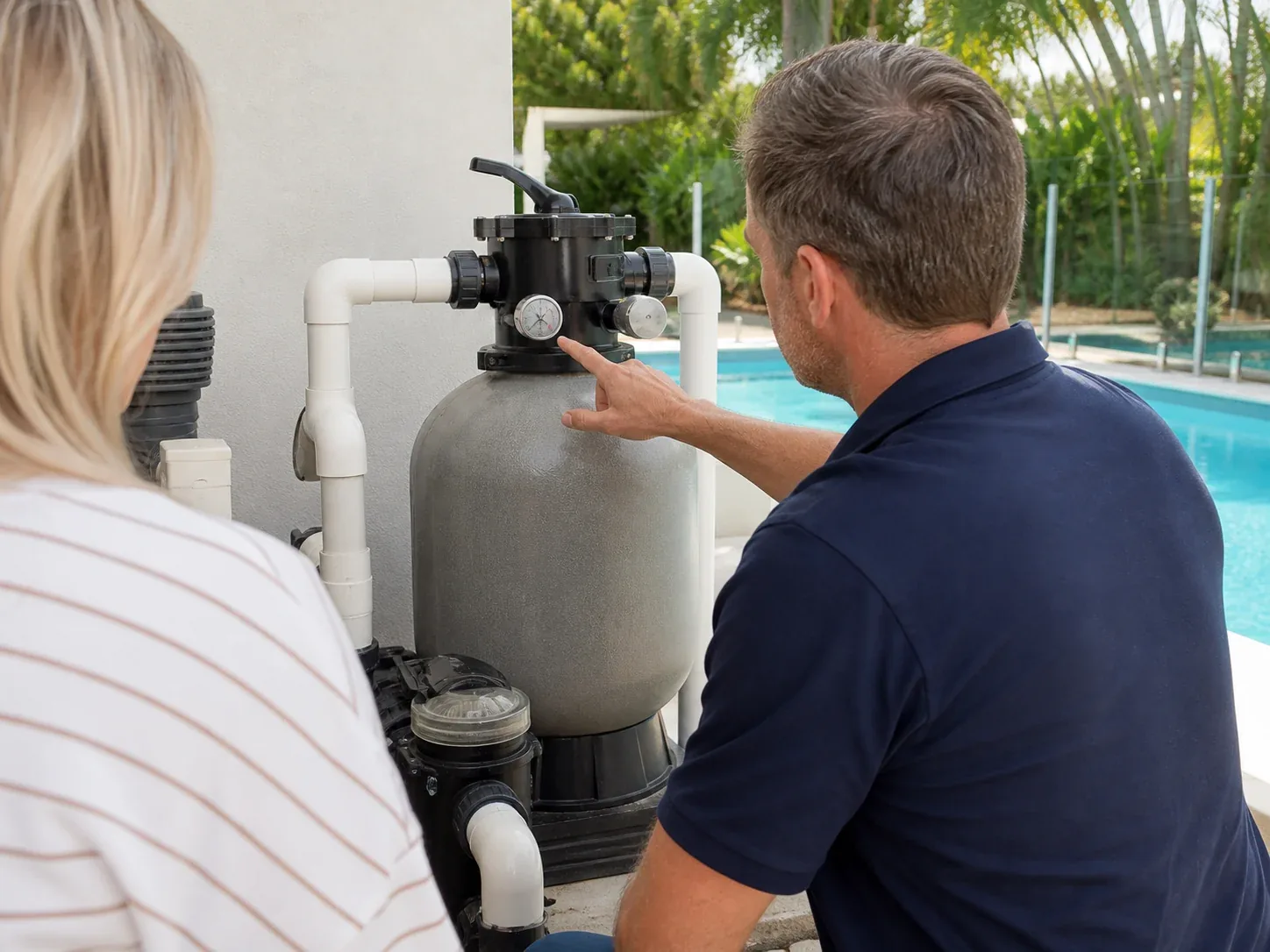
Nik starts with the pool in front of him. He looks at the water, the flow, the filtration, the equipment and the way the household uses the pool. Then he explains what appears to matter now, what can wait and what needs a different qualified trade.

The situation

When the pool starts taking more time than it should

It often begins with a small change: cloudy water, weaker return flow, a cleaner that stops climbing, a pump drawing air or algae returning to the same corner.

Different faults can look remarkably similar. Cloudiness may come from chemistry, circulation, filtration, debris, rain or heavy use. A noisy pump could indicate a restriction, air leak, low water level or a fault needing attention. Adding more chemical or replacing equipment before finding the cause can waste money while leaving the problem unresolved.

A useful service narrows those possibilities. You should finish knowing what Nik observed, what he did, what to watch and whether another decision is needed.

Make the comparison useful

Help that begins with your situation

01

You want regular care

Regular care should give the pool a consistent baseline. That means more than removing leaves. The service arrangement should be clear about water checks, cleaning, baskets, filter care, equipment observations, chemicals, reporting, frequency, access and what happens when something sits outside the agreed scope.

The right pattern is not automatically weekly, fortnightly or monthly. It depends on the pool, vegetation, season, equipment, swimmer load and how much the household manages between visits.

02

You have just bought or inherited a pool

The previous owner may have left a controller, heater, chlorinator, robot, valves and a folder of manuals—but not a clear explanation of how they work together.

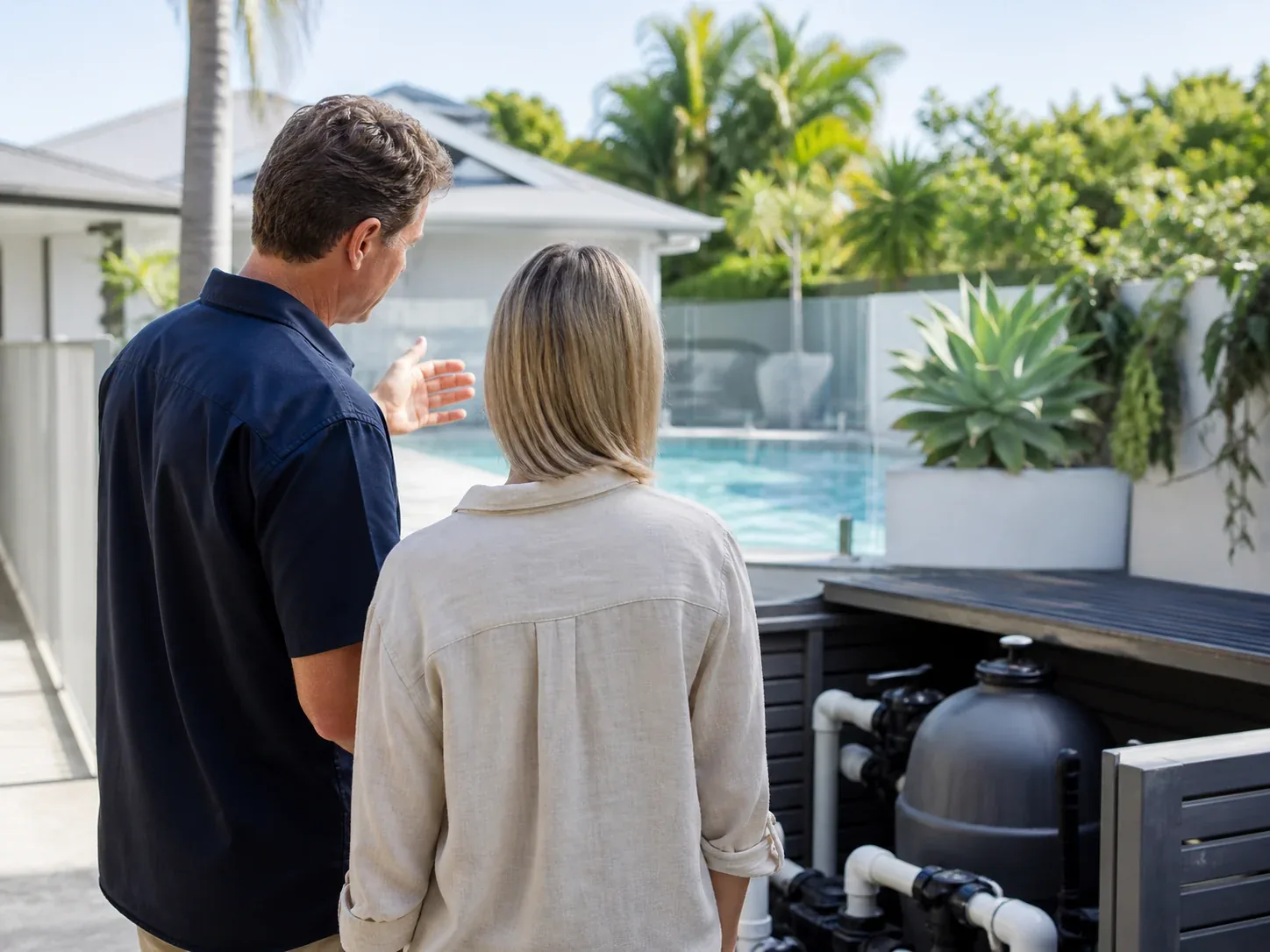
At the start of a pool-specific handover, Nik walks you through the water flow, everyday pool safety gate checks and safety signage, then the controls, routine settings, baskets, filters and warning signs relevant to your setup. He explains which tasks you can safely manage, which settings change with the season and when a qualified specialist is needed. This practical handover does not include a formal pool-barrier inspection or compliance certificate.

03

The water is green, cloudy or behaving strangely

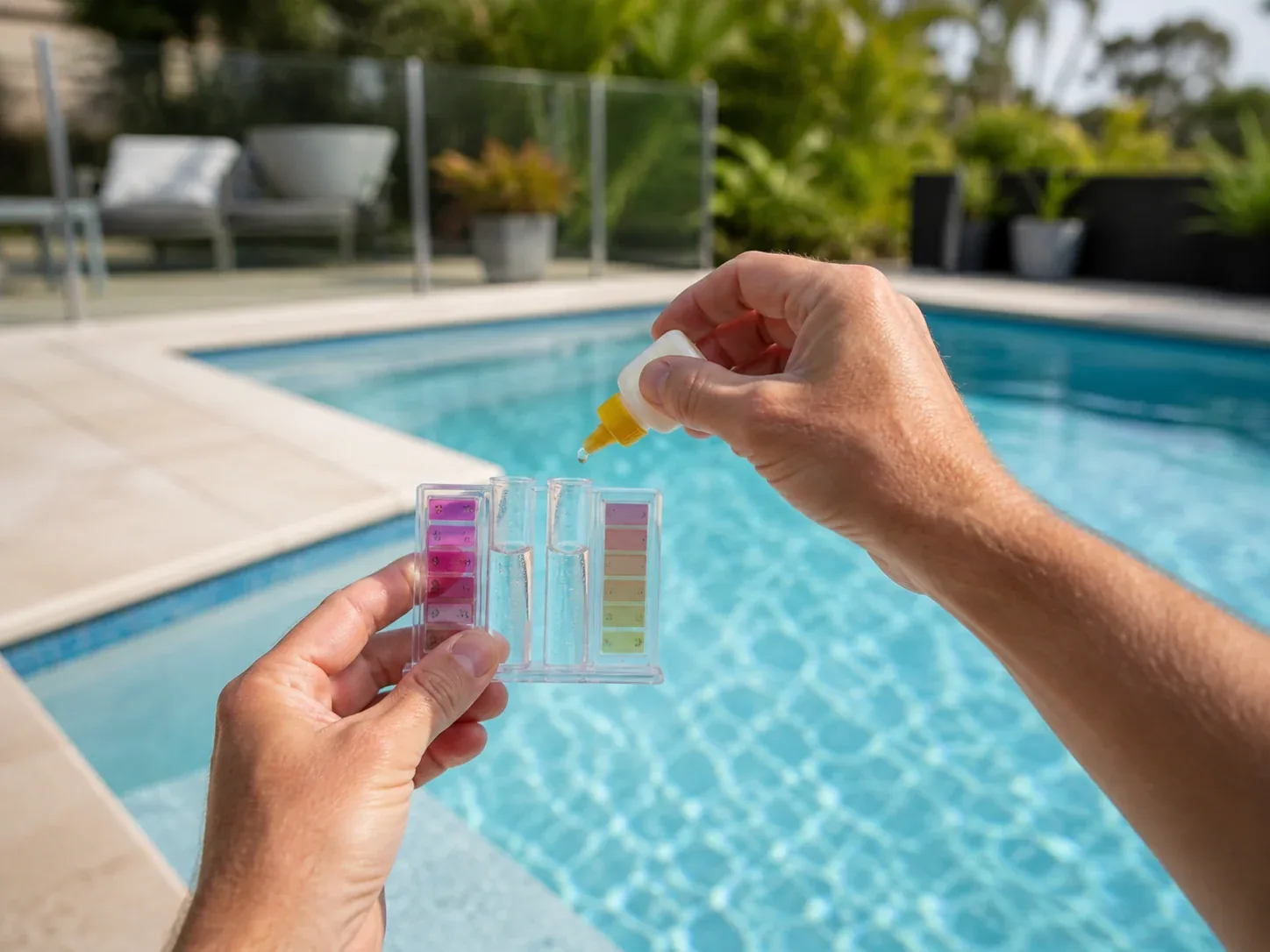
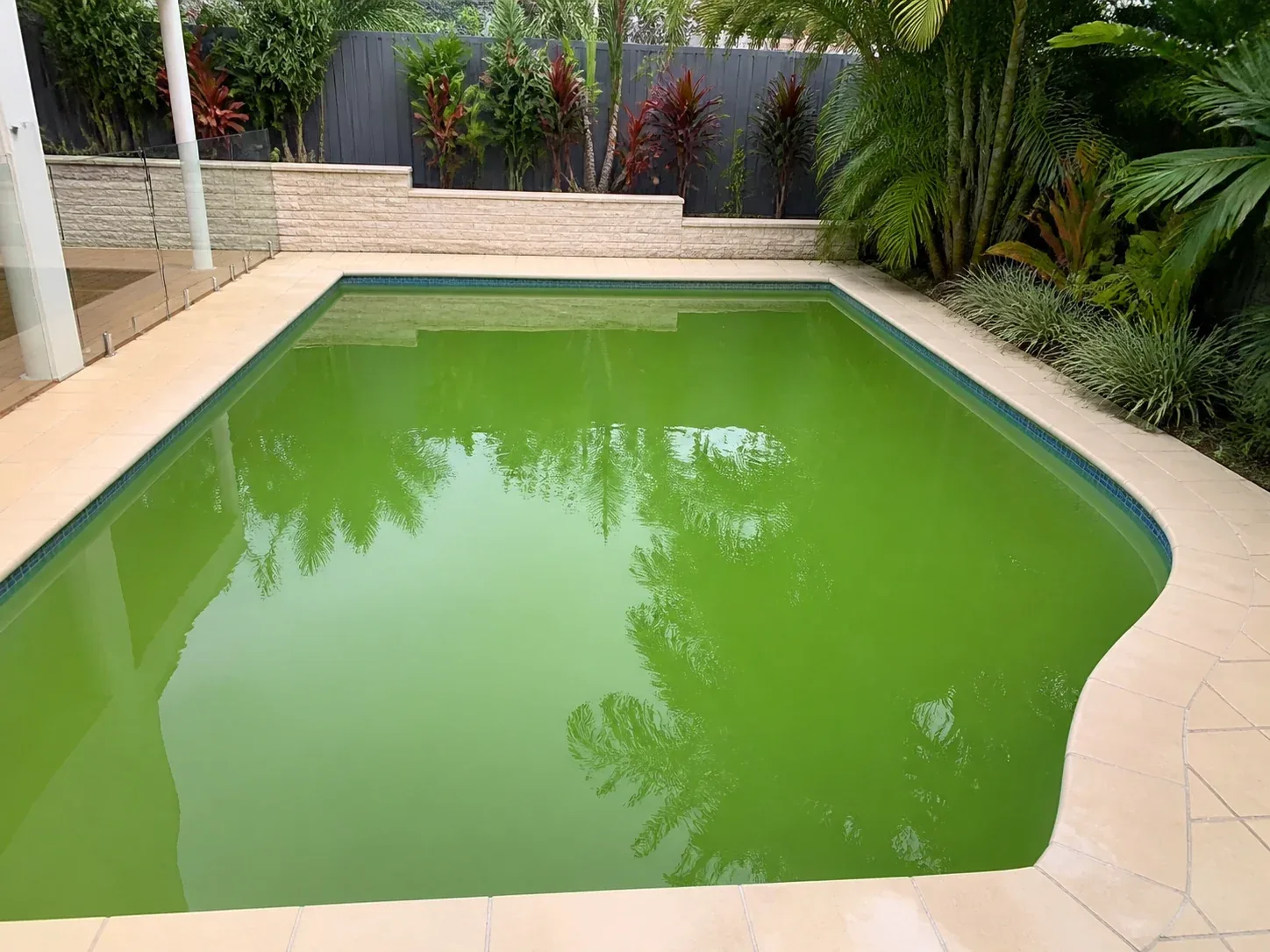
A problem pool needs an assessment before it needs a slogan. Nik will want to know when the change started, what the equipment is doing, whether there has been heavy rain or high swimmer use, what has already been added and whether the pool can still circulate.

Some pools fit a standard recovery process. Others need a tailored plan because circulation, filtration, contamination, equipment failure or the starting condition changes the work. The callback is there to work out which conversation you need—not to pretend every green pool is the same job.

04

You manage the home from somewhere else

If you are travelling, living interstate or arranging care for a family property, the visit record matters almost as much as the visit. Agree who provides access, who receives the report, who may approve extra work and how an issue is escalated. A photo without context is not enough; you need to know what it shows and whether a decision is required.

05

You rent a home with a pool

Start with the tenancy agreement and the property manager. In Queensland, pool-maintenance responsibilities should be covered in the agreement’s special terms. Everyday upkeep, chemicals, repairs, formal safety obligations and professional servicing are not automatically the same responsibility.

If the pump changes sound, the water turns or a gate stops latching, report it promptly and in writing. Early information can help the owner or manager act before a smaller issue becomes a more expensive one. Nik can explain what the pool appears to need, but the person authorised to approve and pay for the work must be clear before it starts.

*General tenancy information only; use the current Residential Tenancies Authority guidance and obtain advice for the agreement in question.*

Make the comparison useful

What good home-pool maintenance should give you

01

1. An explanation of the whole pool, not one isolated reading

Water chemistry, flow, filtration, cleaning, equipment and swimmer use affect one another. A good provider should be able to explain how the observed problem fits the system rather than treating every symptom as a reason to sell a product.

02

2. A service scope you can actually compare

Ask what a routine visit includes and excludes. Does it cover water testing, cleaning, baskets, filter care, equipment observations, chemicals and a report? What changes when the pool is green, has a fault or needs a return visit? A headline price is only useful when the boundaries are clear.

03

3. A baseline for your pool

The provider should learn what normal looks and sounds like at your property. Changes from that baseline—a different pressure reading, weaker return flow, unusual air, repeated debris or a controller alert—can be more useful than a generic checklist.

04

4. Clear approval before extra work

Ask how parts, specialist chemicals, repairs, return visits and referrals are authorised. You should know when the normal service stops and a separate decision begins.

05

5. Advice that is proportionate

The biggest pump, newest controller or strongest chemical treatment is not automatically the right answer. Equipment should suit the pool volume, plumbing, filter, features and pattern of use. As Nik puts it: it is not about getting “the biggest and the best”; it is about what the pool requires.

06

6. Safe boundaries

A pool technician should be clear about the point at which electrical, plumbing, structural, pool-safety inspection or other licensed work needs a different qualified person. Confidence is not the same as pretending one person does every trade.

07

7. A useful record

If reporting is part of the service, ask what is recorded and who receives it. A useful report can include the work completed, relevant observations, chemicals added, photos and the next decision. The exact Endless Summer report format still requires client approval before it is promised publicly.

08

8. A realistic local service pattern

Sunshine Coast routes can be affected by distance, traffic, weather and the condition of earlier jobs. Ask how the provider groups work, how access is managed and what happens when severe weather changes the day. A truthful service window is better than an exact time that cannot be kept.

Why Nik

Why Nik's background matters at a home pool

Nik’s working life has been around water, pools, aquatic facilities and the people who use them. The detailed timeline and formal credentials still need final approval before publication, but the practical relevance is already clear: he approaches a pool as a working system, not just a blue surface.

That changes the questions he asks. Is water moving through the right path? Is the filter being asked to handle more debris than it once did? Has the garden matured around the pool? Has the household’s use changed? Is the equipment matched to the pool, or has one part of the system become the bottleneck?

It also shapes his communication. Nik personally receives enquiries, attends with his equipment, talks through the pool and records the work. The public copy should not promise “the same person every time” until backup arrangements are confirmed, but the owner-led model is an important part of the experience.

Local lens · from the sand to the hinterland

Sunshine Coast conditions worth noticing

“From the sand to the hinterland” is more than a line when you are looking after water.

01

Local factor 01

Coastal homes can deal with fine sand, pollen, wind-blown material and salt-laden air around outdoor equipment.

02

Local factor 02

Leafier blocks can place a steady load on skimmer baskets and filtration, especially after wind and rain.

03

Local factor 03

A garden that has matured over ten or twenty years can change the amount of debris reaching a pool even when the equipment has not changed.

04

Local factor 04

Warm summer conditions and holiday use can increase the demand placed on circulation and sanitation.

05

Local factor 05

Heavy rain can dilute and overflow water, wash material into the pool and expose a circulation problem when baskets or filters load quickly.

06

Local factor 06

Nearby construction, landscaping or dry conditions can add fine dust that takes time to filter.

Take this with you

A new-owner handover should answer these questions

1
Where does water leave the pool, and where does it return?
2
Which valves normally stay in which position?
3
What does the pump schedule control, and how does it change by season?
4
Which baskets and filters need attention, and what is the safe procedure?
5
What does the normal pressure, sound and return flow look like?
6
How do the chlorinator, controller, heater, cleaner or mineral system interact?
7
Which chemical tasks are safe for the owner, and which are not?
8
What warning signs mean “stop and call”?
9
Who services each piece of equipment, and what warranties or manuals should be retained?
10
What should be recorded so a future technician can understand the pool quickly?

Take this with you

Questions to ask before choosing a pool-maintenance service

1
Who will actually attend, and who is the contact if that person is unavailable?
2
What exactly is included in a normal visit?
3
How are chemicals, parts, return visits and extra work charged?
4
Will the provider explain the cause and options before recommending replacement?
5
What report or record will you receive?
6
How are access, pets, gates and alarms handled?
7
What happens when the pool is outside the normal service scope?
8
Which work is completed in-house, and which is referred to licensed specialists?
9
How does the provider adjust the service for weather, vegetation and swimmer load?
10
Can the provider explain why a proposed frequency or equipment change suits this pool?

Straight answers

Homeowners & renters FAQs

Open each answer before you decide what the pool needs.

There is no honest universal frequency. A heavily used pool on a leafy block may need a different pattern from a sheltered pool with effective automation and an owner who clears baskets between visits. The service frequency should follow the pool volume, equipment, season, vegetation, swimmer load and the work you will do yourself.

Not necessarily. The important part is an agreed, lawful access arrangement, secure gates, pets considered, and a clear contact for decisions. If you will not be present, agree what Nik may complete within scope and what must wait for approval.

Remove obvious debris where it is safe, check that the water level and circulation appear normal, and note any overflow, controller alert, unusual sound or loss of flow. Have the water tested before guessing at a chemical correction. Do not open pressurised equipment or work inside electrical components.

No. Chemistry may be involved, but poor circulation, a loaded filter, low water level, equipment failure, contamination or heavy debris can contribute. A useful assessment checks whether the pool can move and filter water as well as what the water test shows.

Not without checking the full system. The Australian Government’s Energy Rating guidance notes that an oversized pump can place more pressure on the filter and shorten its life. Pump size and flow should suit the pool, filter, plumbing and connected equipment.

Owner education and pool-specific handover are a confirmed area of interest from Nik’s interview. The final handover inclusions and price still need approval. The intent is practical: understand the equipment in front of you, the safe routine tasks and the warning signs that need help.

Nik described recording work, photos and chemicals added and sending a report to the client or builder. The final public promise should wait until a current redacted example, timing and delivery process are approved.

Do not rely on a headline until the current price, included chemical types, limits, pool eligibility and extra-charge triggers are approved in writing. The callback should confirm the arrangement that applies to your pool.

Check the tenancy agreement and special terms. Queensland’s Residential Tenancies Authority says owners/managers and tenants should be clear about pool responsibilities, including everyday upkeep, professional maintenance and chemicals. Ask the property manager if anything is unclear; this page is not legal advice.

Nik can help identify what appears to be happening and discuss a sensible next step. The public scope for repairs, installation and licensed work remains unconfirmed. Some faults should be referred to an appropriately licensed electrical, plumbing, building or pool-safety professional.

Share the suburb, whether you own or rent, the type of pool, what changed, when it started, recent rain or heavy use, any display message, what has already been added and whether the pump appears to be circulating. Photos of the water and equipment layout can help the first conversation.

The next useful step

Tell Nik what has changed.

You do not need to diagnose the pool before asking for help. Share the suburb, what you can see or hear, and whether you own or rent the property. Nik will call to work out the sensible next step and whether the property fits the current route. Request a callback | Call Nik